
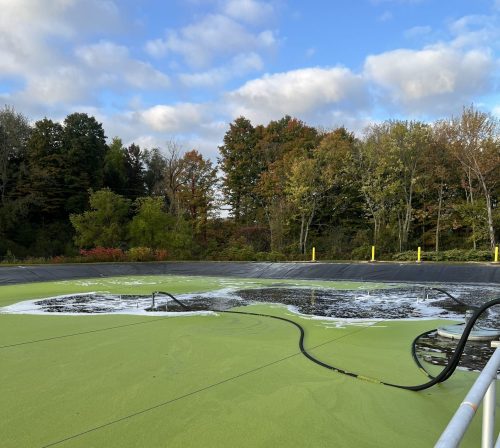
Beneath the Surface: How Skaneateles Is Protecting Its Most Precious Resource
Skaneateles Lake is one of those rare places that seems almost too pristine to be real. Stretching nearly 16 miles through the Finger Lakes region of central New York, its crystal-clear waters have earned a reputation as one of the cleanest lakes in the United States. The lake serves as the unfiltered drinking water supply for the City of Syracuse – a testament to the exceptional water quality that communities throughout the watershed have worked to protect for generations. Preserving that legacy requires continued investment in the infrastructure that safeguards water resources across the region.
Wastewater treatment is a year-round responsibility, but summer months present a particular challenge for facilities like Skaneateles WWTP. Warmer temperatures accelerate biological activity in receiving waters, making elevated ammonia and organic matter concentrations more harmful to aquatic ecosystems. As a result, the plant’s permitted discharge limits tighten considerably between June and October, with ammonia-nitrogen required to remain below 2.0 mg/L compared to 9.0 mg/L during winter months. Meeting those summer targets reliably, within the constraints of an existing lagoon system, called for a more capable treatment process.
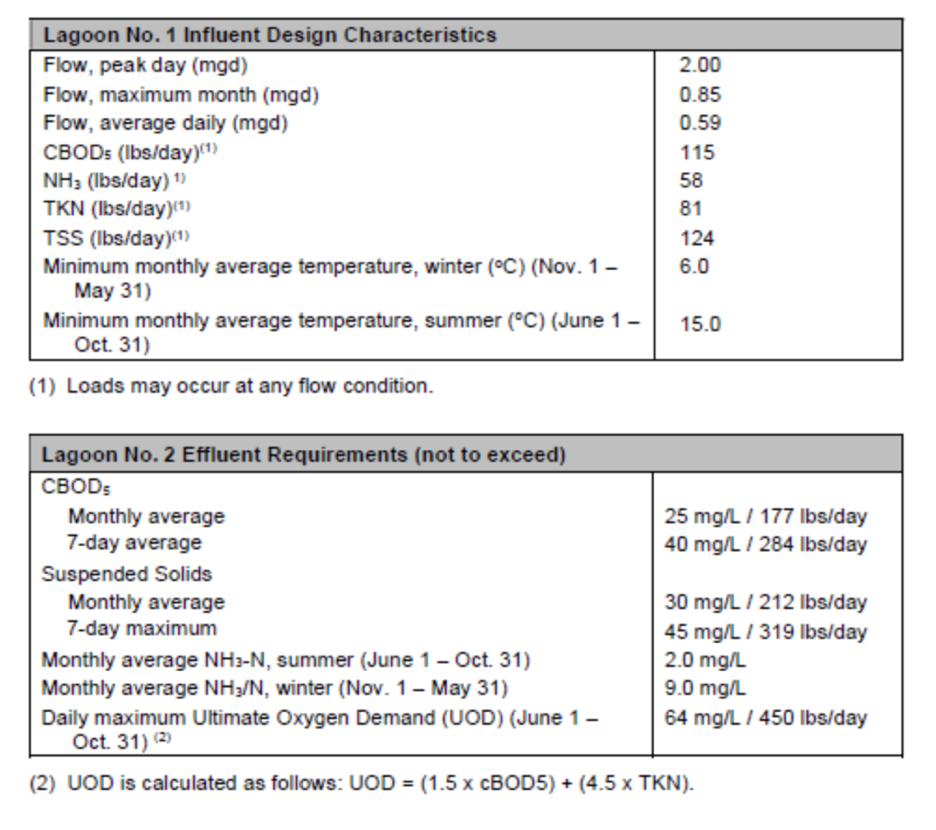
Rather than replacing its existing lagoon system entirely, Skaneateles WWTP pursued a more targeted approach: a full retrofit using advanced fixed-film technology. In partnership with Entex Technologies, the facility installed a Submerged Fixed-Film (SFF) system across its two treatment lagoons, meaningfully upgrading treatment performance without expanding the plant’s physical footprint. The system reached full startup in October 2024.
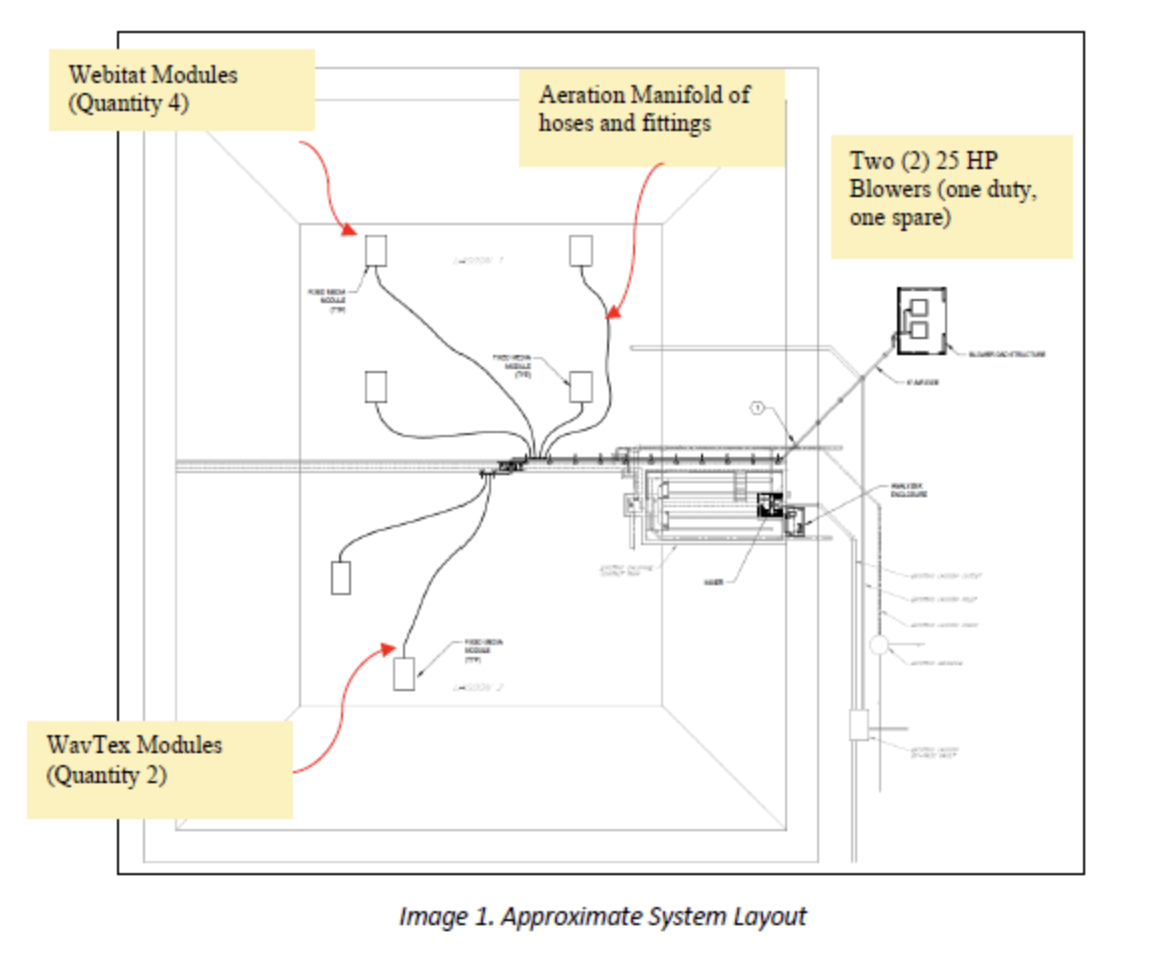
The system draws on two of Entex’s proprietary technologies – four Webitat modules installed in the first lagoon and two Wavtex modules in the second. The first lagoon and the upstream half of the second lagoon are designed for active mixing, ensuring thorough and consistent treatment throughout, while the downstream half of the second lagoon is maintained as a quiescent zone where the treated water undergoes final solids separation before discharge.
Webitat features a non-buoyant fabric media that is tethered both at the top and bottom by a full-frame structure. This, in conjunction with its integral coarse bubble air grid and its outer shroud, creates an airlift pump effect through the module, resulting in a large mixing zone of influence of about 60 ft. These features ensure adequate substrate transfer through the entirety of the first lagoon. In contrast, WavTex features buoyant EnTextile media sheets tethered only on the bottom edge to a stainless-steel base. Because the media sheets are free-floating at the top, an external shroud is not required. This design, along with the same integral coarse bubble air grid, creates a mixing zone of influence of about 40 ft, making WavTex ideal for a lagoon with a downstream quiescent zone.
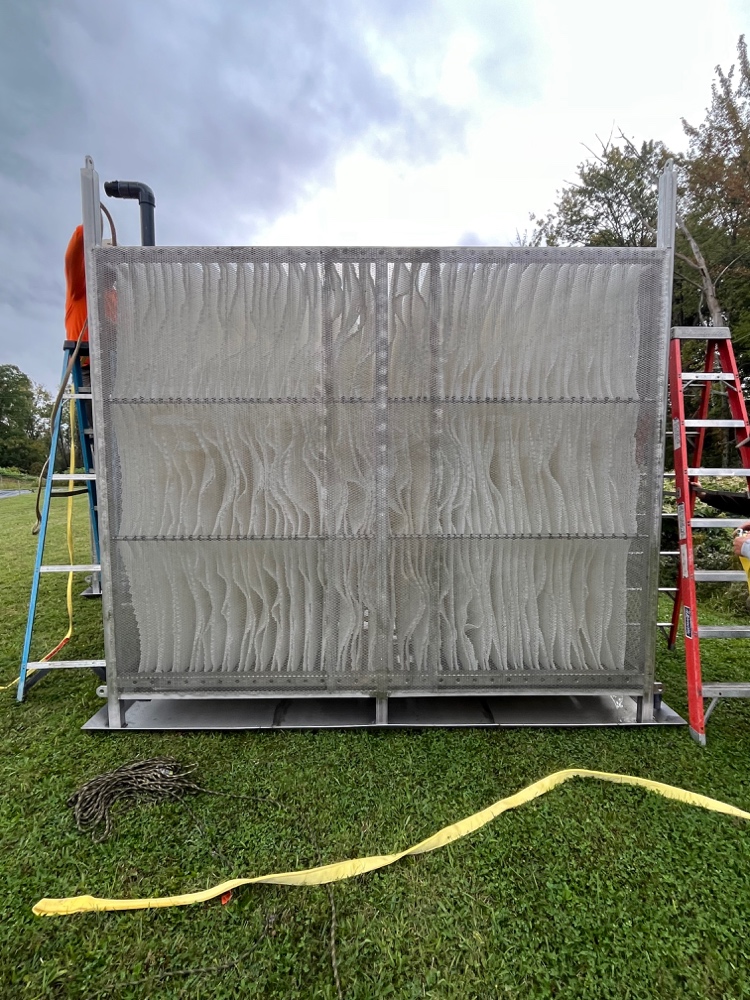
Image 2. Webitat module featuring full-frame structure and external shroud.
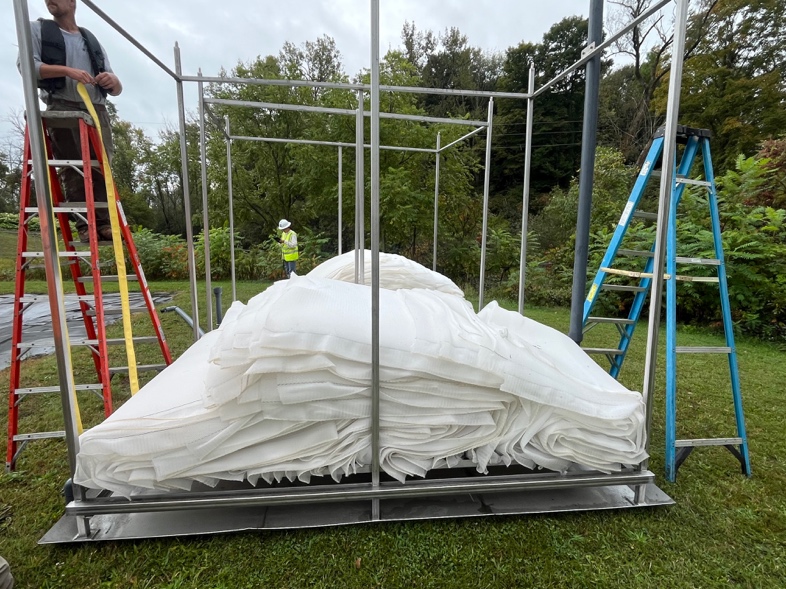
Image 3. WavTex Module – buoyant media sheets stand up once submerged in water.
Though the two products differ in configuration, both serve the same fundamental purpose of providing a structured physical surface upon which beneficial microorganisms can attach, colonize, and accumulate over time. This established community of fixed biomass forms the biological core of the treatment process, working continuously to reduce organic matter and ammonia load as wastewater moves through the system.
The fixed-film approach is particularly well-suited to the demands of summer compliance. By maintaining a large, stable population of attached microorganisms, the system sustains reliable ammonia removal even as flow rates and temperatures fluctuate, providing exactly the kind of biological resilience that seasonal discharge standards require.
The installation at Skaneateles WWTP may not be the kind of project that draws public attention, but its significance should not be understated. For a community whose identity is so closely tied to the health of its watershed, investments in wastewater treatment infrastructure represent a direct and enduring commitment to environmental stewardship. With the new system fully operational, the plant is better equipped to meet today’s regulatory demands and better positioned to protect the waters that have defined Skaneateles for generations.